
The best cryptocurrency to mine Cryptocurrency mining remains one of the most exciting entry points into the blockchain world, offering both technical engagement and financial opportunity. While mining has evolved significantly since Bitcoin’s early days, it continues to attract investors, tech enthusiasts, and even large corporations. In this comprehensive guide, we’ll explore the best cryptocurrency to mine in 2025, based on profitability, hardware compatibility, community support, and long-term viability.
What Is Cryptocurrency Mining?
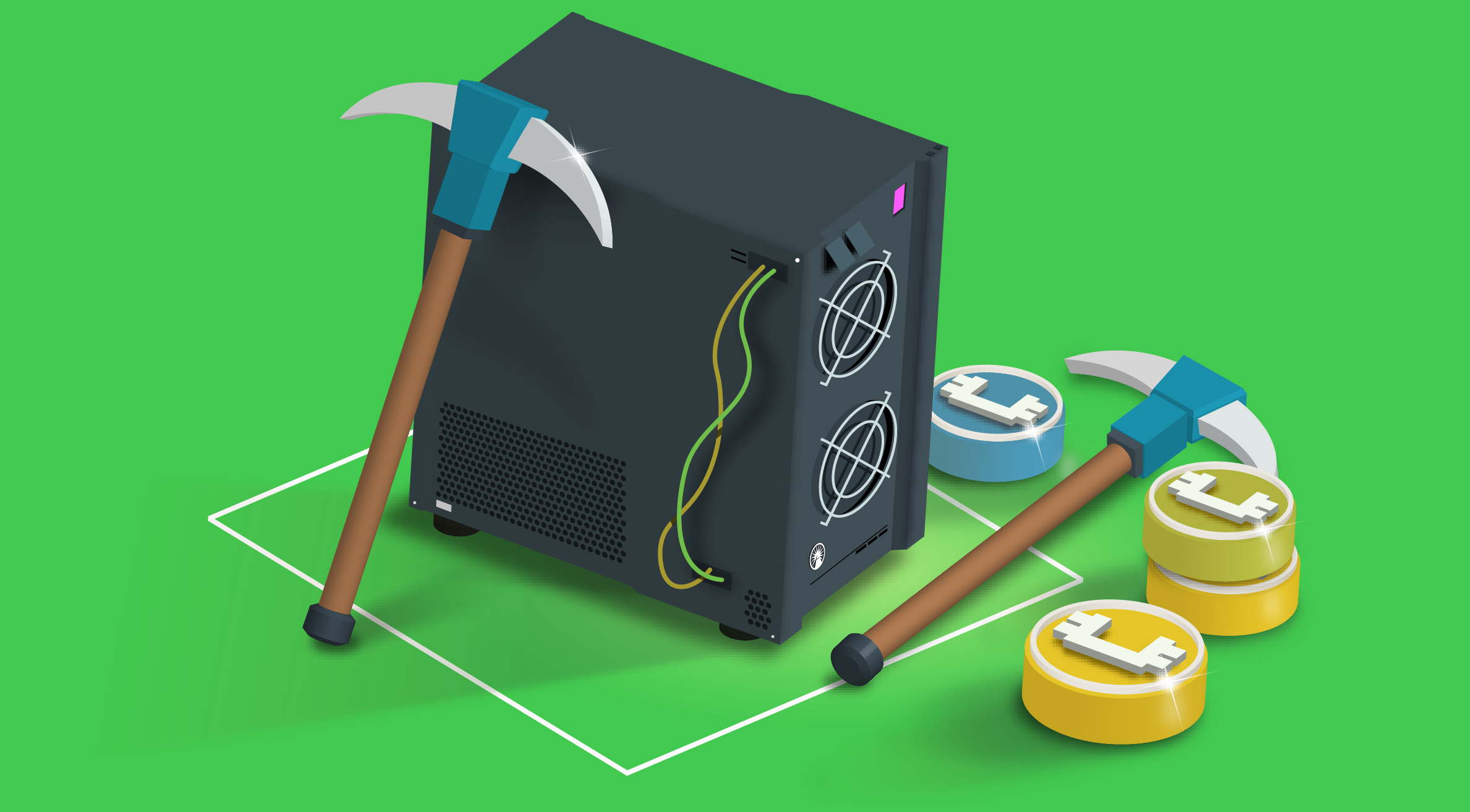
Before diving into the best cryptocurrency to mine, it’s important to understand what mining actually involves. Cryptocurrency mining is the process by which transactions are verified and added to a blockchain ledger. It also introduces new coins into circulation.
Proof of Work (PoW)
Most mineable cryptocurrencies rely on a mechanism called Proof of Work. This involves solving complex mathematical problems using powerful computers. The first miner to solve the problem gets to validate the transaction and is rewarded with newly minted coins plus transaction fees.
ASIC vs GPU Mining
-
ASICs (Application-Specific Integrated Circuits): Extremely powerful and efficient, but limited to mining specific coins like Bitcoin.
-
GPUs (Graphics Processing Units): More versatile and accessible to individuals. GPU mining supports coins like Ethereum Classic, Ravencoin, and Ergo.
The mining method you choose will significantly influence the best cryptocurrency to mine for your setup.
Factors to Consider When Choosing the Best Cryptocurrency to Mine
Mining profitability depends on several key variables. Here’s what you need to look at:
1. Hashrate and Difficulty
Higher difficulty requires more computational power. A sudden increase in network hashrate could reduce your earnings unless you upgrade your hardware.
2. Block Rewards
This is the amount of cryptocurrency a miner earns for solving a block. Some coins reduce rewards periodically through mechanisms like “halving.”
3. Power Consumption
Electricity is one of the largest costs in mining. The best coins to mine are those that offer a balance between hashrate and energy usage.
4. Market Value and Liquidity
It’s important to mine coins that have decent market value and are easily tradable on exchanges. Otherwise, you may earn coins that are difficult to convert to cash.
5. Longevity and Community
A strong development team and active community support ensure that a coin has a future, making it a safer long-term bet.
The Best Cryptocurrency to Mine in 2025
Based on current market conditions, mining trends, and hardware compatibility, here is our curated list of the best cryptocurrency to mine this year.
1. Kaspa (KAS): Fast and GPU-Friendly
Kaspa is gaining traction among GPU miners for its unique GHOSTDAG protocol and fast block time.
Why Kaspa Is One of the Best
-
Extremely fast block confirmation (1 second)
-
Energy-efficient algorithm (kHeavyHash)
-
Large and active mining community
-
Compatible with widely available GPUs
-
Solid liquidity on major exchanges
Kaspa’s efficient design and growing popularity make it a top contender for the best cryptocurrency to mine with GPUs in 2025.
2. Bitcoin (BTC): King of ASIC Mining
Although Bitcoin is difficult to mine for individuals, it remains the most secure and proven PoW network.
Why Bitcoin Remains Relevant
-
Huge institutional backing
-
High liquidity and market demand
-
Long-term value proposition
-
Robust ASIC ecosystem
-
Widespread adoption
If you have access to cheap electricity and ASIC hardware like the Antminer S19, Bitcoin is still the best cryptocurrency to mine at scale.
3. Ethereum Classic (ETC): The Post-Merge Ethereum
After Ethereum moved to Proof of Stake, miners switched to Ethereum Classic, making it the leading ETH-based PoW coin.
ETC’s Advantages
-
Same Ethash algorithm as legacy Ethereum
-
Compatible with most ETH mining rigs
-
Listed on all major exchanges
-
Strong brand recognition and loyal user base
Ethereum Classic has proven its staying power, and for GPU miners, it’s one of the best cryptocurrencies to mine today.
4. Ravencoin (RVN): Focused on Asset Transfer
Ravencoin is designed for tokenizing real-world assets like securities and collectibles.
Why Ravencoin Stands Out
-
X16R algorithm resists ASIC domination
-
Strong development team and community
-
High decentralization
-
Available on many mining pools
-
GPU-friendly and profitable in certain regions
If you’re looking for a coin with a unique use case and decent GPU profitability, Ravencoin is one of the best cryptocurrencies to mine.
5. Ergo (ERG): Smart Contracts and GPU Efficiency
Ergo combines energy-efficient mining with smart contract functionality, making it a favorite among eco-conscious miners.
What Makes Ergo Special
-
Autolykos algorithm is GPU-optimized
-
Low hardware requirements
-
Active development team
-
DeFi and dApp ecosystem
-
Reasonable block rewards and emission schedule
For those looking to mine a coin with both utility and future potential, Ergo fits the bill as the best cryptocurrency to mine with mid-range GPUs.
6. Monero (XMR): Private and Secure
Monero is the leading privacy-focused cryptocurrency, offering untraceable transactions and ASIC-resistance.
Why Mine Monero?
-
RandomX algorithm favors CPUs
-
Focus on privacy and decentralization
-
Strong community and development
-
Listed on many exchanges
-
Lower barrier to entry than GPU or ASIC mining
If you want to mine from home without expensive gear, Monero may be the best cryptocurrency to mine on your CPU.
7. Dogecoin (DOGE): Meme Power and Merge Mining
Despite its meme status, Dogecoin has a loyal community and active network, and it can be merge-mined with Litecoin.
Dogecoin’s Mining Strengths
-
Merge mining increases profitability
-
Highly recognizable brand
-
Strong liquidity and exchange support
-
Continued development from the Dogecoin Foundation
When combined with Litecoin via merged mining, Dogecoin becomes the best cryptocurrency to mine for fun and profit.
Profitability Calculators and Tools
To determine the best cryptocurrency to mine for your specific setup, use these tools:
-
WhatToMine: Input your GPU or ASIC data for real-time mining profitability.
-
NiceHash: Automated mining platform that switches to the most profitable coin.
-
MiningPoolStats: Compares hashrates and pool availability.
-
CryptoCompare: Offers detailed mining profitability charts.
Setting Up Your Mining Rig
Whether you’re new or upgrading your setup, here are the basics:
For GPU Mining
-
High-quality GPUs (NVIDIA RTX 3070, 3080, AMD RX 6800, etc.)
-
16–32GB RAM
-
Mining motherboard with multiple PCIe slots
-
Stable power supply
-
Ventilation and cooling setup
For ASIC Mining
-
Purchase an ASIC like Antminer S19, Whatsminer M30S, etc.
-
Ensure proper ventilation and noise isolation
-
Monitor power usage and ROI
For CPU Mining
-
Mid-range or high-end CPU (Ryzen 5/7, Intel i7/i9)
-
Efficient cooling system
-
Less electricity consumption but lower reward
Pool Mining vs Solo Mining
Pool Mining
-
Combines resources with other miners
-
Steady income, lower variance
-
Ideal for beginners or small-scale setups
Solo Mining
-
Higher potential payout
-
Infrequent rewards
-
Suitable only with significant hashrate and luck
For most users, mining via a reputable pool is the best way to profit from the best cryptocurrency to mine.
Risks and Challenges in Crypto Mining
Before jumping in, be aware of the risks:
-
Volatile earnings: Coin prices can change rapidly.
-
Hardware depreciation: GPUs and ASICs become obsolete.
-
Regulatory risk: Some countries ban or tax mining.
-
Heat and noise: Can damage hardware or increase costs.
-
Environmental concerns: High electricity use can be unsustainable.
Make sure to calculate your break-even point and plan for long-term changes.
Legal Considerations and Sustainability
Cryptocurrency mining is under increasing regulatory scrutiny.
-
United States: Varies by state. Some welcome miners; others restrict it.
-
China: Mining largely banned.
-
Russia and Iran: Encouraged in some regions due to cheap electricity.
-
Europe: Green policies may discourage energy-heavy operations.
If you’re environmentally conscious, consider mining coins like Ergo or using green energy sources. Future regulations may favor coins with sustainable footprints as the best cryptocurrencies to mine.
Future Trends in Cryptocurrency Mining
As we move further into 2025, mining continues to evolve:
1. Shift to Green Mining
Miners are moving to renewable sources or lower-emission coins to align with ESG policies.
2. AI-Optimized Mining
Some platforms now use AI to manage mining operations for maximum efficiency.
3. Decentralized Mining Pools
Projects like P2Pool and Braidpool reduce the risks of centralized mining dominance.
4. Dual and Triple Mining
Software now allows simultaneous mining of multiple coins, boosting profitability.
These innovations will redefine the best cryptocurrency to mine in the years to come.
Final Thoughts: Choosing the Best Cryptocurrency to Mine in 2025
Cryptocurrency mining in 2025 is more competitive than ever, but it still offers excellent opportunities for those willing to research, optimize, and commit.
The best cryptocurrency to mine depends on your setup:
-
ASIC user? Go with Bitcoin or Litecoin/Dogecoin merged mining.
-
GPU miner? Kaspa, Ethereum Classic, or Ravencoin are excellent options.
-
CPU-only setup? Try Monero for decentralized, private mining.
-
Eco-conscious? Ergo is your green alternative.
Ultimately, profitable mining is not just about coin choice—but about efficiency, smart planning, and long-term perspective.
Building a Long-Term Mining Strategy
Mining isn’t just about finding the best cryptocurrency to mine today—it’s about building a long-term strategy that survives market cycles, hardware changes, and network evolution.
Diversify Your Mining Activities
Relying on a single coin can be risky due to:
-
Network difficulty fluctuations
-
Price volatility
-
Halving events
-
Algorithm changes
Instead, consider switching between two or three mineable coins depending on their current profitability and future potential. For example, you might:
-
Mine Kaspa and Ergo with your GPU
-
Use an ASIC to mine Litecoin/Dogecoin
-
Keep a CPU miner running Monero in the background
This strategy protects you from market drops and lets you capitalize on emerging opportunities.
Monitor Mining Difficulty
Even if a coin is currently the best cryptocurrency to mine, a sudden influx of new miners can reduce your profitability. Always watch:
-
Network difficulty charts (via Coinwarz or MiningPoolStats)
-
Upcoming upgrades or forks
-
Social media trends that could spike miner interest
Timing your entry matters. Some of the most profitable mining periods happen when difficulty is temporarily low.
Mining as Passive Income: Is It Sustainable?
One of the common goals of miners is to create a source of passive income. But is it really passive?
Yes, If You Automate Properly
You can set up your rigs to:
-
Auto-switch to the most profitable coin
-
Automatically deposit mined coins to your wallet
-
Restart mining on crash or power failure
-
Notify you of errors or temperature spikes
Platforms like Hive OS, NiceHash, or custom scripts make this possible.
With a stable setup and proactive maintenance, mining becomes a semi-passive income stream—though you’ll still need to check in regularly.
Holding vs Selling: What to Do with Mined Coins?
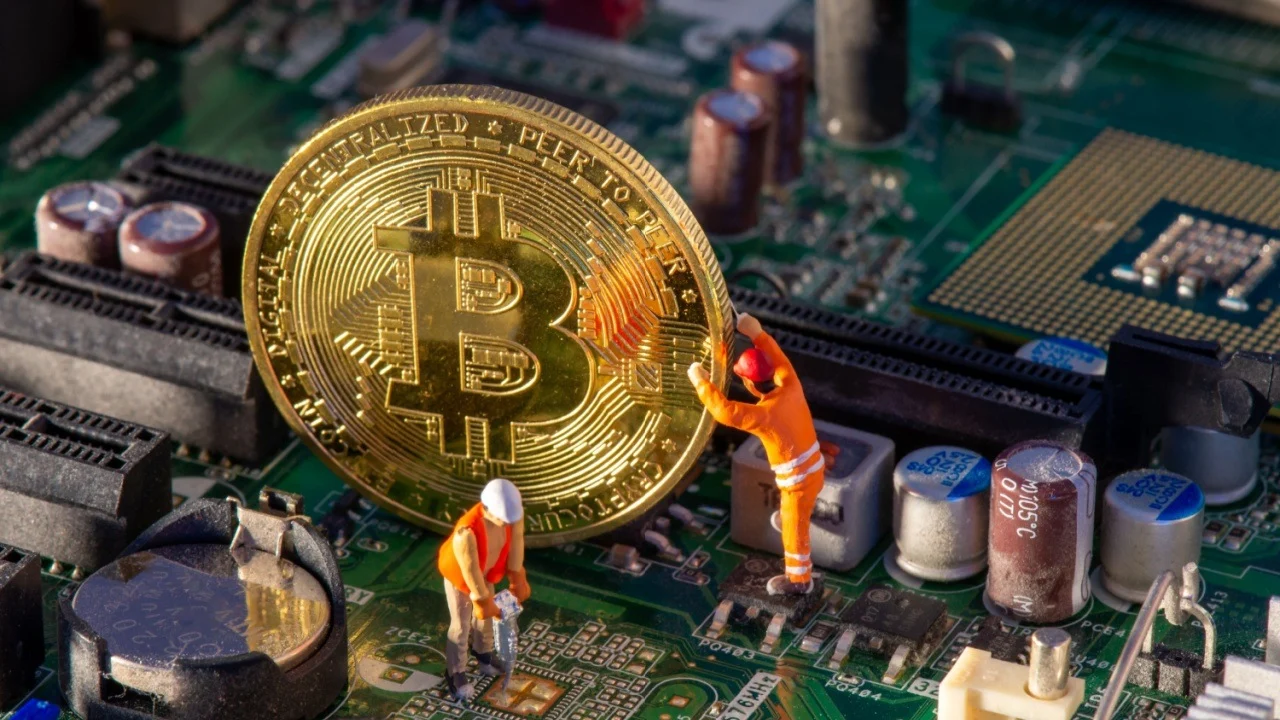
Once you’ve mined a coin, should you sell immediately or HODL?
Sell If:
-
Electricity costs are high, and you need to cover them.
-
You want to lock in profits during a bull market.
-
The coin has uncertain long-term value.
HODL If:
-
You believe in the coin’s long-term growth.
-
You mine low-market-cap coins like Ergo, Kaspa, or Flux that may 10x later.
-
You can afford to wait through a bear market.
Many miners sell just enough to cover costs and hold the rest as speculative upside. This “mine and accumulate” approach works well with coins considered the best cryptocurrency to mine for future gains.
Tax Considerations for Crypto Miners
Taxation varies by country, but in many regions, mining income is considered taxable—either as personal income or business income.
You May Need to Report:
-
The fair market value of coins at the time of mining
-
Mining-related expenses (hardware, electricity, repairs)
-
Capital gains when you sell mined coins later
Consult a crypto-savvy tax accountant or use tools like Koinly, TokenTax, or CoinTracking to stay compliant.
Ignoring taxes on crypto mining can lead to serious consequences, even if you’re only mining from home.
Cloud Mining: Is It Worth It?
Cloud mining promises easy, hands-off profits—but is it too good to be true?
Pros:
-
No need to buy hardware
-
No maintenance or electricity costs
-
Accessible for beginners
Cons:
-
High risk of scams
-
Lower profitability
-
Lack of control over mining decisions
-
Hidden fees and contract lock-ins
While cloud mining may sound appealing, most experienced miners avoid it unless working with well-established providers—and even then, it’s often less profitable than DIY mining with GPUs or ASICs.
Hardware Lifespan and Upgrade Cycles
To remain profitable, your hardware must be efficient. So how long can you expect a rig to last?
GPU Rigs
-
Lifespan: 3–5 years with good maintenance
-
Upgrades: Replace thermal paste, fans, or use undervolting
-
Best brands: NVIDIA (RTX 3070, 3080 Ti), AMD (RX 6800, 7900 XT)
ASIC Miners
-
Lifespan: 2–3 years of peak profitability
-
Risk: Becomes obsolete faster due to competition
-
Maintenance: Dust cleaning, firmware updates, fan replacements
Investing in newer hardware will boost your ROI and keep you competitive for the best cryptocurrency to mine moving forward.
Environmental Impact: Green Mining Matters
The crypto community is under increasing pressure to reduce energy consumption. Here’s how miners are going green:
-
Using solar or hydro power: Especially in countries with cheap renewables.
-
Mining eco-friendly coins: Like Ergo or Chia, which are more energy-efficient.
-
Recycling heat: Using mining rigs to heat greenhouses or buildings.
If sustainability matters to you—or if local governments offer incentives—consider how you can make your operation more environmentally responsible. This trend is influencing what qualifies as the best cryptocurrency to mine in a changing world.
Community Insight: What Experienced Miners Say
Let’s hear from actual miners:
“Kaspa is the most profitable GPU coin for me right now. Low power draw, solid liquidity, and stable dev team.”
— Minh, Vietnam-based GPU miner
“I built a Monero rig on a spare PC and it’s been mining non-stop for months. Not huge rewards, but steady.”
— Sarah, solo CPU miner in Canada
“ASICs are loud and risky, but I make solid income with merged Litecoin/Dogecoin mining.”
— Victor, semi-pro miner in Texas
Their experiences show that the best cryptocurrency to mine often depends on your location, energy cost, and tech preferences.
Final Takeaway: The Mining Landscape in 2025 and Beyond
Mining has evolved from a hobbyist experiment into a global industry. In 2025, it’s not just about raw power—it’s about efficiency, timing, and strategic coin selection.
So what’s the best cryptocurrency to mine?
-
If you want daily profitability and low energy use: Kaspa or Ergo
-
If you want long-term potential: Monero, Ethereum Classic
-
If you have ASIC gear and cheap power: Bitcoin, Litecoin/Dogecoin
-
If you want privacy: Monero
-
If you want green alternatives: Ergo, Flux
There is no one-size-fits-all answer. But with the insights in this guide, you now have the tools to choose smartly—and mine profitably.
Comparison Table: Choosing the Best Cryptocurrency to Mine for Your Hardware
| Cryptocurrency | Algorithm | Suitable Hardware | Power Efficiency | Profitability (Jul 2025)* | Use Case | Notes |
|---|---|---|---|---|---|---|
| Kaspa (KAS) | kHeavyHash | GPU (NVIDIA/AMD) | High | ⭐⭐⭐⭐☆ | Payments | Fast, energy-efficient, growing adoption |
| Bitcoin (BTC) | SHA-256 | ASIC only | Medium | ⭐⭐⭐⭐☆ | Store of Value | Requires large-scale investment |
| Ethereum Classic (ETC) | Ethash | GPU | Medium | ⭐⭐⭐☆ | Smart Contracts | Most ETH miners migrated here |
| Ravencoin (RVN) | KAWPOW | GPU | Medium-High | ⭐⭐⭐☆ | Asset Issuance | Decentralized, ASIC-resistant |
| Ergo (ERG) | Autolykos | GPU | High | ⭐⭐⭐⭐☆ | Smart Contracts | Sustainable, developer-friendly |
| Monero (XMR) | RandomX | CPU | High | ⭐⭐☆ | Privacy | Ideal for home, stealth mining |
| Litecoin + Dogecoin | Scrypt | ASIC | Medium | ⭐⭐⭐⭐☆ | Payments/Meme | Merge-mining boosts ROI |
*Note: Profitability may vary depending on local electricity costs, mining pool, and hardware efficiency.
Quick Recommendations Based on Your Setup
-
Beginner with a Gaming PC
→ Try mining Ergo, Ravencoin, or Kaspa. These are GPU-friendly and beginner-accessible. -
Laptop or Low-End CPU
→ Your best option is Monero. Lightweight and CPU-mining compatible. -
Got ASIC Hardware?
→ Focus on Bitcoin, Litecoin, or Dogecoin. Merge mining Doge with LTC increases your earnings. -
Eco-conscious miner
→ Go for Ergo or Kaspa — they offer high efficiency per watt and are community-driven. -
Mining for long-term HODL
→ Consider Monero, Ethereum Classic, and Ergo, which have strong communities and real use cases.
FAQs: The Best Cryptocurrency to Mine in 2025

Q: Is mining still profitable in 2025?
A: Yes, especially if you have access to cheap electricity and efficient hardware. GPU and ASIC mining can still yield strong returns with smart coin selection and good timing.
Q: Which coin is easiest to mine for beginners?
A: Kaspa and Ergo are considered beginner-friendly for GPU users due to simple setup and profitability.
Q: Can I mine from my laptop?
A: Technically yes, using CPU mining with Monero, but it’s not recommended due to heat and wear on your hardware.
Q: How do I get paid when mining?
A: Most mining pools allow you to set a payout threshold. You’ll receive payments to your wallet in the mined coin, which you can hold or convert on an exchange.
Q: Is it legal to mine crypto?
A: It depends on your country. Most regions allow it, but some may require registration or tax reporting. Always check local laws.
Conclusion: Smart Mining Starts with Smart Research
Mining can be a profitable and rewarding way to participate in the crypto ecosystem—but only if you choose wisely. In 2025, with the rise of GPU coins like Kaspa and Ergo, the return of ASIC profitability through Bitcoin and Litecoin, and the consistent niche strength of privacy coins like Monero, miners have more options than ever.
To succeed, don’t just follow the hype. Follow the fundamentals:
-
Understand your hardware.
-
Monitor profitability tools regularly.
-
Join active mining communities.
-
Choose coins with real use cases and future potential.
If you do that, you’re not just mining coins—you’re mining opportunities.